We Don’t Fix Broken Systems. We Just Get Comfortable With Them.
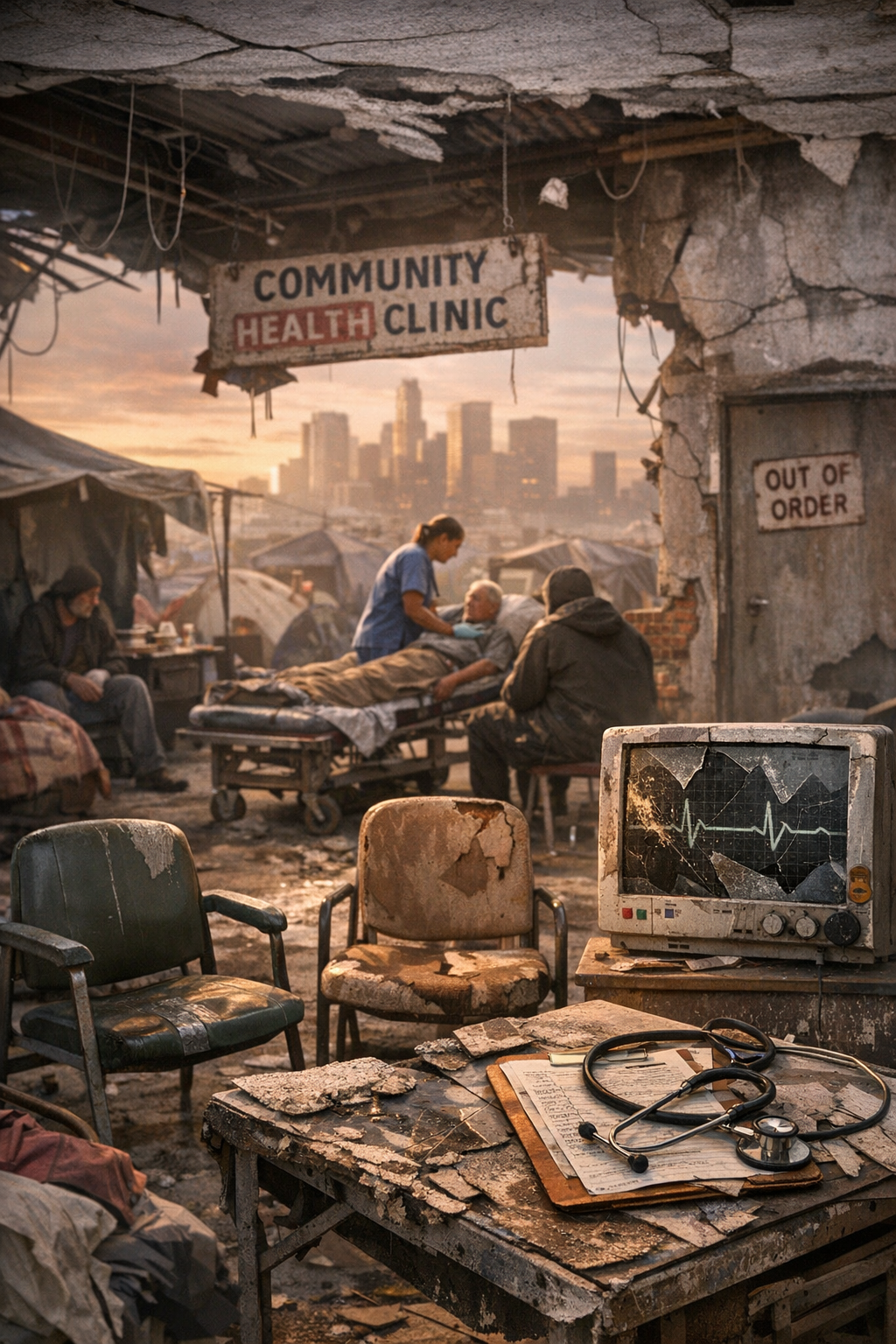
There’s something strange about community healthcare and homeless healthcare systems.
Everyone knows they’re strained. Everyone sees the cracks. But instead of rebuilding them, we keep propping them up.
Why?
Because they’re familiar.
They’re what we know.
They’re what we’ve already funded, already staffed, already explained to the public.
And over time, comfort replaces performance.
Most homeless healthcare systems and community health models were built for a different population. Lower acuity. Shorter stays. Fewer regulatory demands. Less integration with managed care. Simpler compliance expectations.
That is not the world we operate in now.
Hospitals are discharging people with advanced chronic illness. Complex wound care. Cardiac instability. Active oncology treatment. Behavioral health overlays. Limited mobility. No housing. No support system.
And we expect the same old frameworks to absorb it.
They can’t.
So what happens?
We stretch the length of stay policies.
We squeeze reimbursement.
We argue about zoning limits instead of medical necessity.
We layer new reporting requirements on top of outdated infrastructure.
We tell ourselves it’s still working.
It isn’t.
You can feel it in staff burnout. In compliance strain. In reimbursement gaps. In the quiet frustration of providers who know the model isn’t aligned with reality anymore.
Community healthcare systems were designed around access. That was the right focus at the time. But access without structural evolution becomes fragile.
When Medicaid funding structures shift.
When Section 1115 waivers tighten oversight.
When 1915 authorities redefine coverage.
When managed care plans demand measurable outcomes.
When continuity of care laws require performance.
You cannot operate on legacy infrastructure.
You either rebuild the system around today’s acuity, or the system collapses under pressure.
And here’s the uncomfortable part.
Sometimes we don’t rebuild because rebuilding requires admitting the original design no longer works.
That’s hard in public systems.
Medical respite care and recuperative care were meant to bridge hospital discharge and stability. Not act as long-term holding environments. Not operate as underfunded shelter models with medical tasks layered in.
When structured correctly, medical respite care reduces readmissions, stabilizes medication compliance, supports wound recovery, and transitions people into housing with real coordination.
When structured incorrectly, it becomes a bottleneck.
Organizations like Soul Housing, North Star Recuperative Care, and Evergreen Medical Respite Care were built around a different premise.
Design for today’s complexity.
Build clinical oversight that matches managed care expectations.
Integrate housing navigation into care plans from day one.
Align with Medicaid billing structures instead of fighting them.
Invest in compliance systems instead of hoping regulators look the other way.
And most importantly, build for acuity, not optics.
This isn’t about growth.
It’s about structural integrity.
A system designed for lower complexity cannot sustainably serve higher complexity. You don’t solve that by working staff harder. You solve it by redesigning the architecture.
Comfort keeps systems alive longer than they should be.
Competence rebuilds them.
The people discharged from hospitals with nowhere safe to recover don’t care about our comfort. They care about stability. About safety. About whether the system they enter actually functions.
Broken systems aren’t malicious.
They’re outdated.
But if we see the stress fractures and refuse to reinforce the structure, then we own the outcome.
It’s time to stop stretching legacy homeless healthcare models and start rebuilding community healthcare infrastructure that matches the reality on the ground.
That is how medical respite care and recuperative care evolve from good intentions into durable systems.